War and sweeping internet restrictions have muted the voices of Iranian musicians, cutting them off from performance, community, audiences, income and even, at times, the ability to create at all.
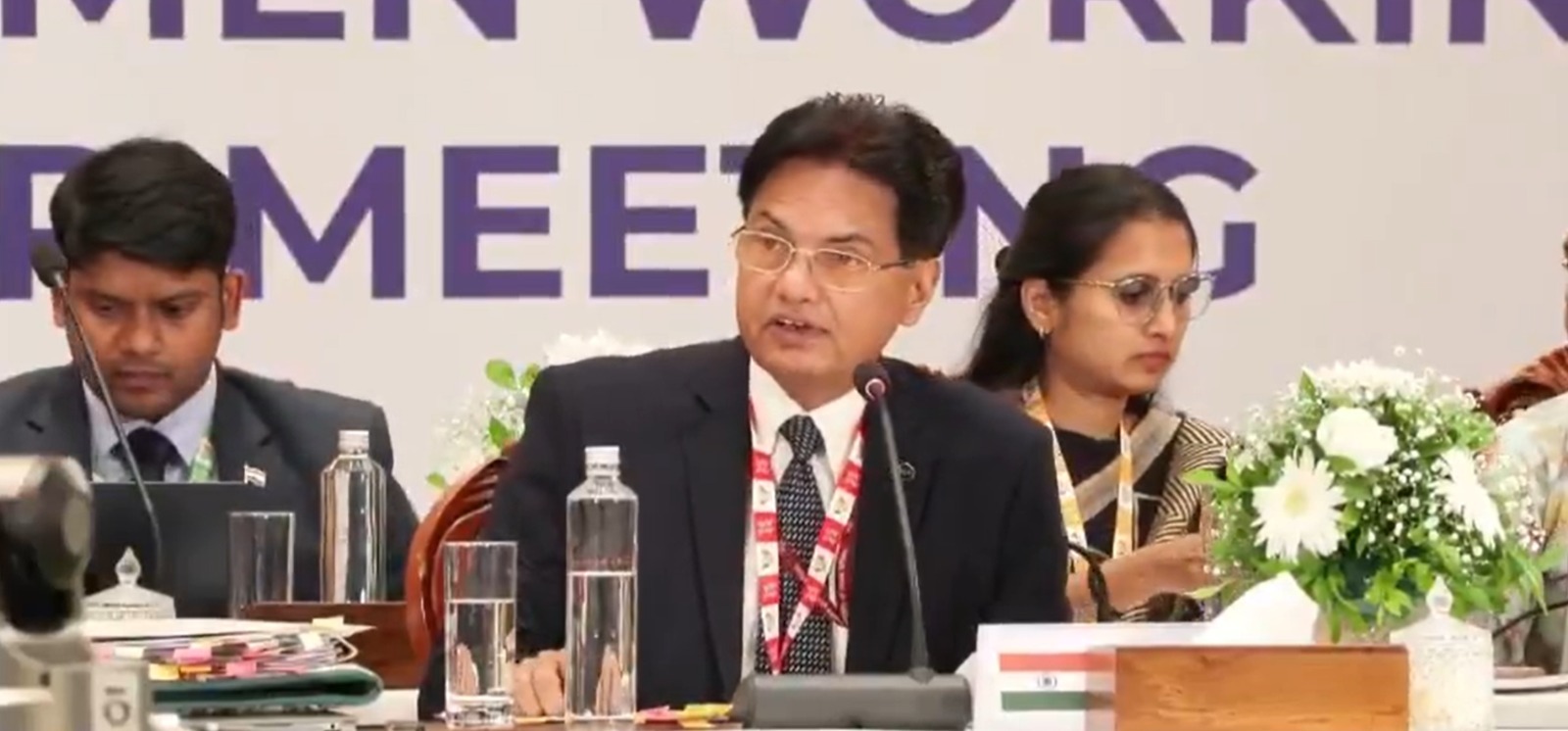
HAMIDREZA AFARIDEH

Hamidreza Afarideh. Courtesy Hamidreza Afarideh/REUTERS
While the situation has eased along with peace negotiations, some fear any return to conflict will silence them again.
In Tehran, classical musician Hamidreza Afarideh remembers the moment his work collapsed into rubble. His music school — his livelihood — was destroyed in an airstrike in March.
The school, built by Afarideh and his wife over two years despite the 12-day war a year ago and financial difficulties, had 250 students taught by 22 people, many of them young musicians whose salaries helped to fund their own careers.
“We not only suffered material loss, we also suffered spiritual loss,” Afarideh said. “We went through very difficult days.”
The building is too badly damaged to be rebuilt, but Afarideh plans to restart the school.
“It is very appealing and sweet to be able to teach people of all ages and, through our teaching, enable them to join the musical sphere of Iran or even the world,” he said.
TARA FAZAELI

Tara Fazaeli, REUTERS
In the early weeks of the war, which has killed thousands of Iranians, Tara Fazaeli, a musician now in Dubai who performs as Tamara, said she struggled to write, worried that audiences might accuse her of exploiting the situation to go viral online.
“All of my life was on hold,” she said.
The first nationwide blackout was imposed on January 8 during anti-government protests against economic hardship. Authorities responded by opening fire, killing thousands. They cited threats to national security from what they said were outside forces trying to destroy Iran.
Connectivity slowly returned in February before disappearing after the U.S. and Israel began airstrikes on February 28 targeting its nuclear and ballistic missile programmes, with partial access only brought back three months later on May 26.
The internet remains unstable and heavily filtered, with many foreign websites reachable only through virtual private networks. Musicians also face other hurdles in Iran, where concerts are vetted for inappropriate content and women face unique barriers on performing in public, such as bans on singing in front of audiences with men in them.
ALIREZA GHAHREMANI
ALIREZA GHAHREMA

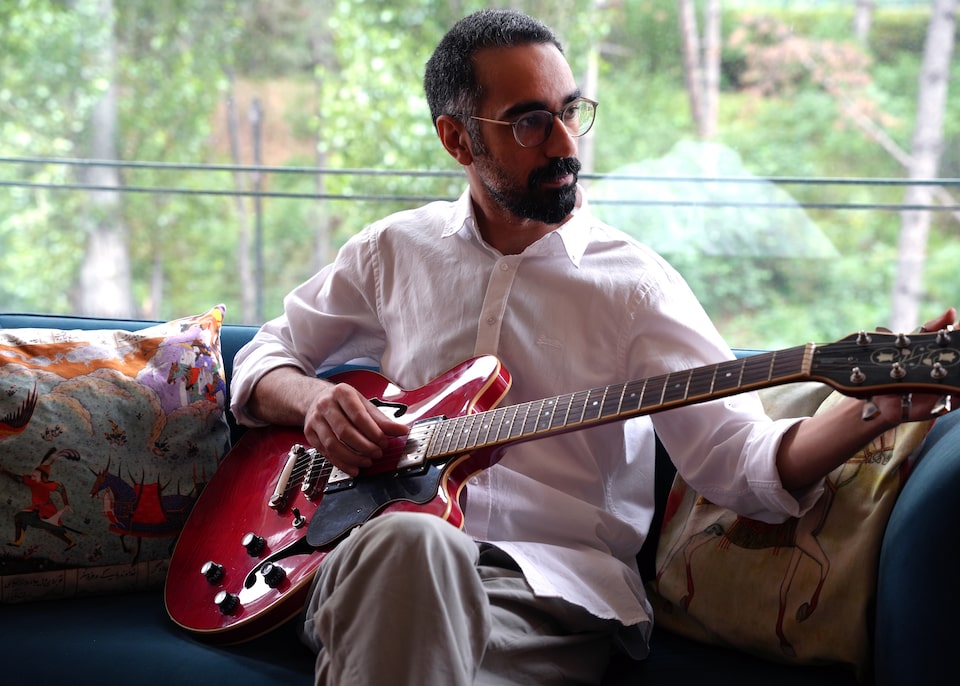
Alireza Ghahremani with his electric guitar, Turkey, Courtesy of Sam Devin/REUTERS
With work spanning classical national music to genres such as rap, jazz and rock, Iran’s musicians depend on the internet for releases, training and access to global networks against a backdrop of Islamic rule.
“The internet is like our office,” said Alireza Ghahremani, a jazz musician who stayed abroad during the war and internet blackout, as he released an album through a UK-based label in March and could not risk losing communication with his colleagues.
For Ghahremani, now back in Iran, working as a creative is increasingly difficult. Alongside patchy internet access, he feels restricted by the lack of a formal jazz scene in Iran and now plans to leave to pursue opportunities abroad.
“I decided to change my environment, so that there is more opportunity to express myself and more opportunity for collaboration. This is sad, actually, for me to leave my country due to these issues,” he said.
A CULTURAL LANDSCAPE UNDER STRAIN
As the war upended daily life, creative outlets disappeared. Audiences dwindled on both digital and physical stages, and inflation meant money for music lessons went on food and clothing.
The impact has been felt far beyond Iran’s borders: concerts were also cancelled abroad as Iranian performers and audiences felt it wasn’t appropriate to hold them while the country was at war.
“We had no choice [but] to cancel,” said Adib Rostami, a London-based musician and producer who organises concerts with Iranian artists.
The ceasefire and a partial easing of internet restrictions have meant some concerts and teaching have resumed, part of a process officials say is aimed at stabilising daily life and the economy.
“Information technology-based communications and internet have become an inseparable part of people’s lives,” Iranian President Masoud Pezeshkian wrote on his X account on May 12, announcing moves towards an easing enacted two weeks later.
Still, analysts say the underlying unpredictability remains, with little apparent progress in negotiations meant to result in long-term peace and many websites censored even in normal times.
Internet access, they warn, could be tightened again quickly if unrest returns or if geopolitical tensions escalate.
That uncertainty has led some artists outside Iran to the reluctant conclusion that they cannot return home.
“When it keeps happening, I can no longer make long-term plans for my life,” said an Iranian composer and arranger now in Turkey who asked not to be named due to concerns for his family in Iran.
Editing by Nilo Tabrizy and Philippa Fletcher; Visual Production by Morgan Coates.