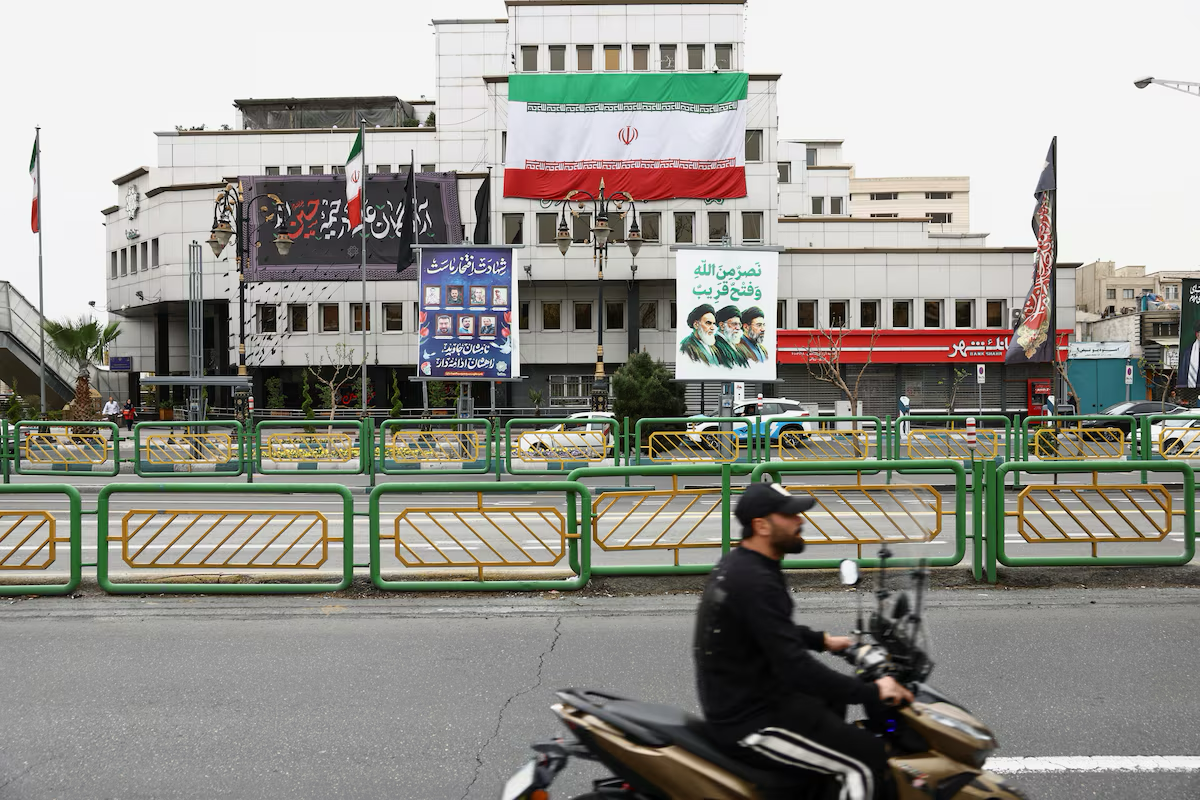
A banner with a picture of the late leader of the Islamic Revolution, Ayatollah Ruhollah Khomeini, and the late Supreme Leader of Iran, Ayatollah Ali Khamenei and Iran’s new Supreme Leader, Mojtaba Khamenei, is displayed on a street, amid the U.S.-Israeli conflict with Iran, in Tehran, Iran, March 23, 2026.
SEOUL, April 6 (Reuters) – North Korea appears to be distancing itself from longtime partner Iran and carefully managing its public messaging to preserve the possibility of a new relationship with the U.S. after the Iran war, South Korean lawmakers said on Monday, citing the spy agency.
Seoul’s National Intelligence Service (NIS) said North Korea had not sent weapons or supplies so far to Iran since the conflict started on February 28, and did not issue public condolences upon the death of Supreme Leader Ayatollah Ali Khamenei, who was killed in air strikes, said lawmaker Park Sun-won who attended a closed-door briefing held by the NIS.
Pyongyang also sent no congratulatory message when Khamenei’s son, Mojtaba Khamenei, was selected as the new supreme leader, Park said, citing the NIS.
While China and Russia had frequently issued statements on the conflict, North Korea’s Foreign Ministry had only issued two toned-down statements so far, consistent, the NIS said, with North Korea’s recent tendency to avoid direct criticism of U.S. President Donald Trump.
The NIS assessed this restraint as preparation to secure new diplomatic space after an anticipated May summit between Chinese President Xi Jinping and Trump, the lawmaker said.
North Korea was also facing significant economic strain related to the Middle East crisis, with disruptions to the procurement of industrial supplies, rising prices, and a surging exchange rate, the NIS told lawmakers.
North Korea was also trying to secure Russian oil supplies, the NIS said.
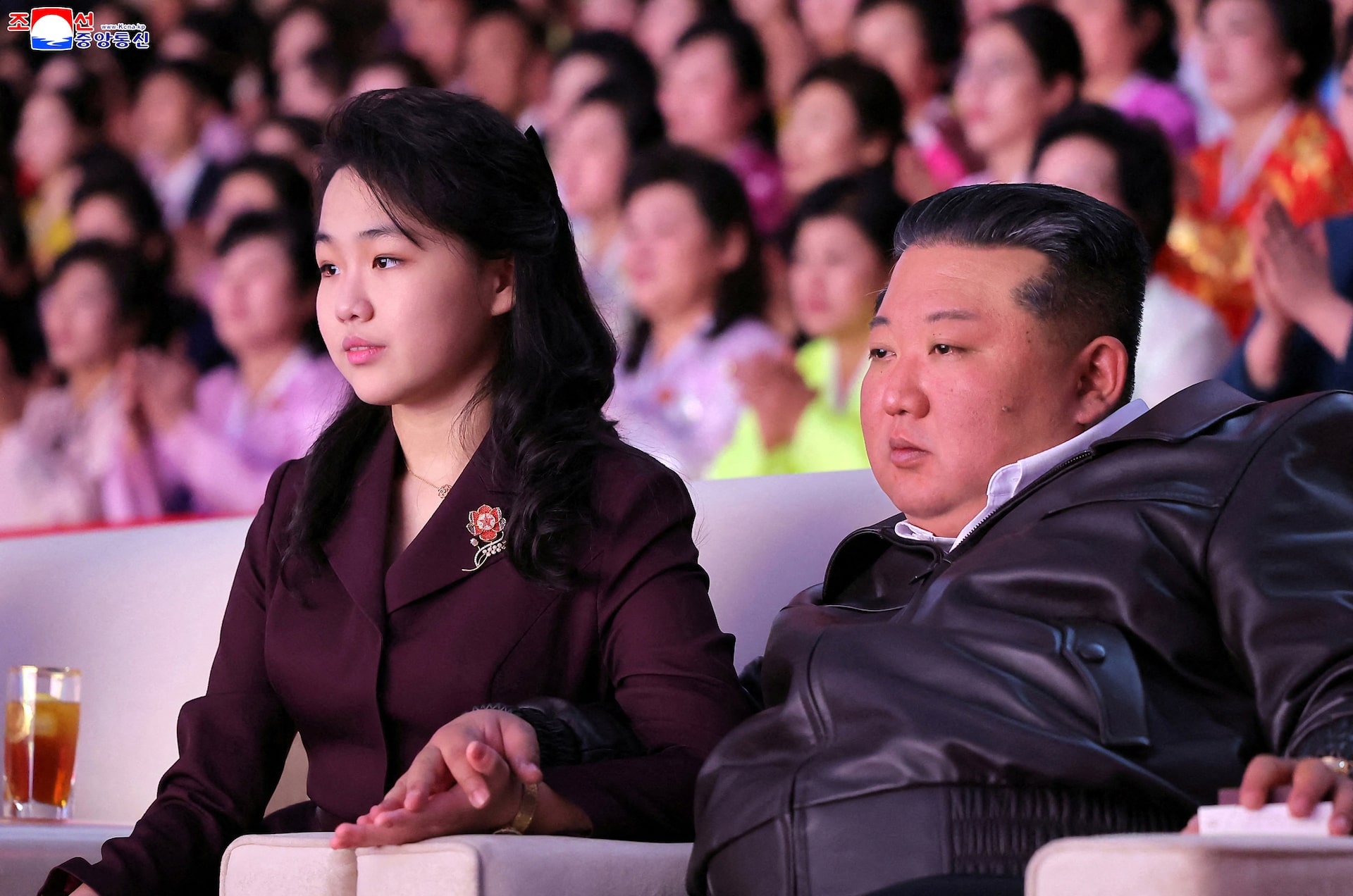
At North Korea’s Ninth Workers’ Party Congress in late February, Kim appeared to leave an opening for talks with Washington, saying there was no reason the countries “cannot get along well,” if the U.S. recognised North Korea’s status as a nuclear state and withdrew its hostile policy.
The NIS assessed Kim had made the remarks in his own voice as a deliberate signal, aimed at keeping relations with Trump in good standing and positioning Pyongyang for a new diplomatic chapter once the Middle East conflict subsides, Park said.
Reporting by Jack Kim and Joyce Lee Editing by Ed Davies