SHetA2 Anti-HPV candidate, two enteric vaccines among technologies transferred for further development
Technology transfer brings government-funded research closer to affordable healthcare
Medical Innovations Patent Mitra driving India’s path to self-reliance in healthcare innovation: Secretary DHR and DG ICMR, Dr. Rajiv Bahl
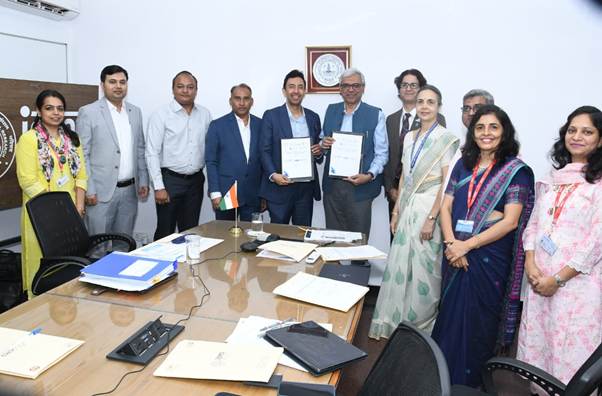
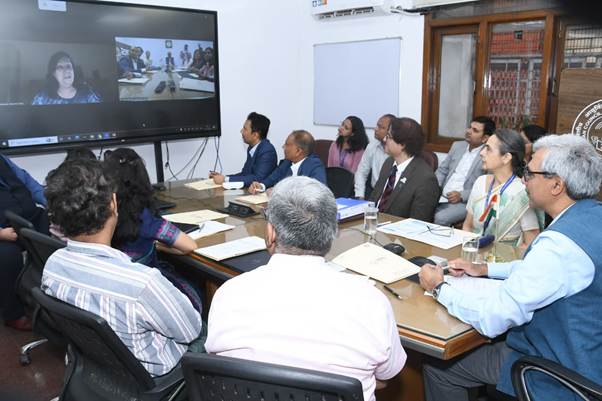
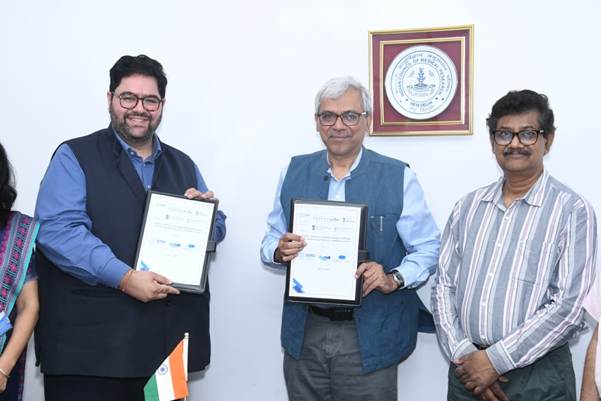
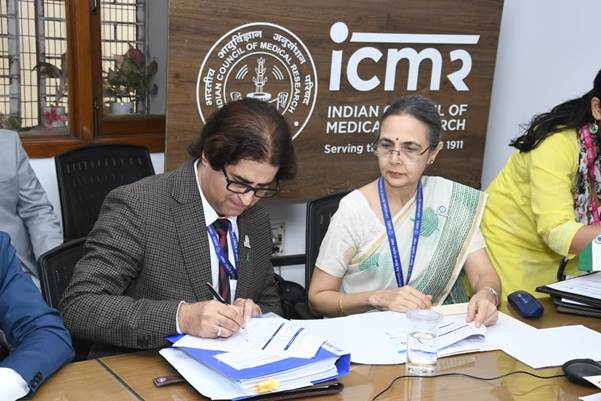
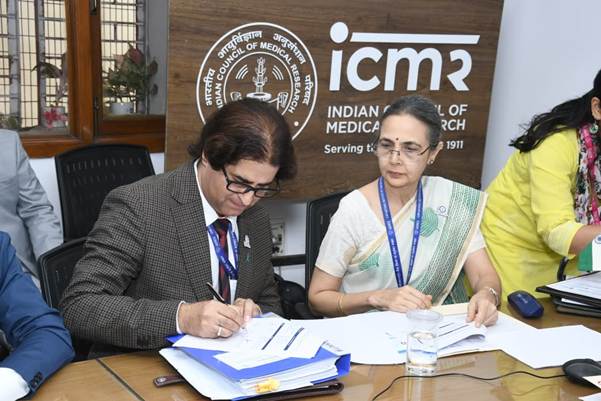
The Indian Council of Medical Research (ICMR), under its Medical Innovations Patent Mitra initiative, facilitated the licensing of three indigenous biomedical technologies to leading Indian pharmaceutical and vaccine manufacturers for further development, manufacturing and commercialization. The technologies include SHetA2, a novel anti-HPV therapeutic candidate for the treatment of Cervical Intraepithelial Neoplasia (CIN), licensed to Emcure Pharmaceuticals Ltd., and two next-generation vaccine technologies against enteric bacterial infections, developed at ICMR–National Institute of Research in Bacterial Infections (ICMR-NIRBI), Kolkata, licensed to Biological E Ltd. These technology transfers mark another significant step towards accelerating the translation of publicly funded research into affordable healthcare solutions and strengthening India’s biomedical innovation ecosystem.
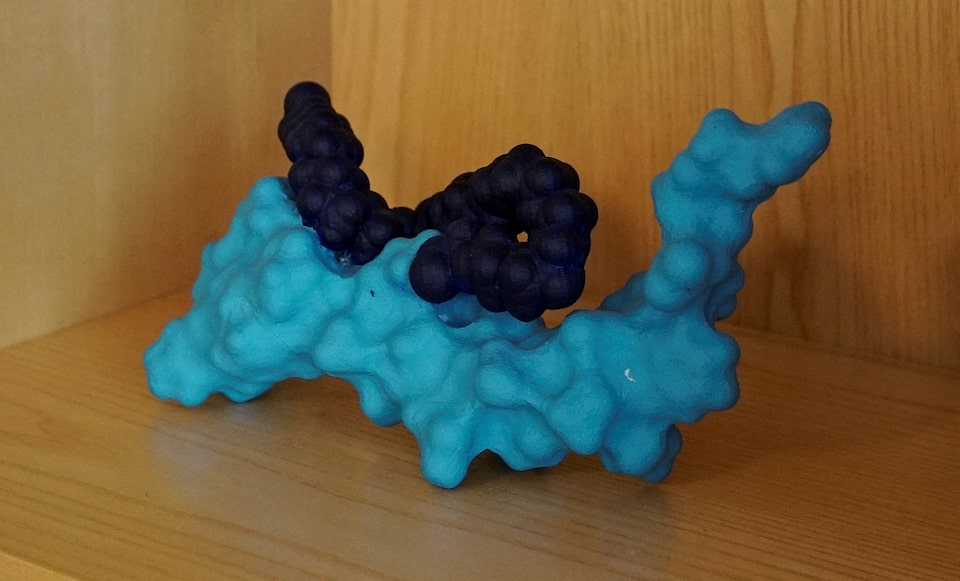
SHetA2, developed through a collaboration between Dr. Showket Hussain, ICMR National Institute of Cancer Prevention and Research (ICMR-NICPR) and Dr. Doris M. Benbrook, Stephenson Cancer Center, University of Oklahoma, USA, is a first-in-class targeted therapeutic candidate that selectively eliminates HPV-induced precancerous and cervical cancer cells while sparing healthy cells. The technology has the potential to provide a safe, affordable and minimally invasive treatment option for cervical cancer.
The two vaccine technologies developed by Dr. Santasabuj Das and his team at ICMR National Institute for Research in Bacterial Infections (ICMR-NIRBI) include:
- A fusion construct containing Salmonella typhi outer membrane protein as a promising next-generation typhoid vaccine candidate.
- A recombinant vaccine composition against Salmonella typhi/paratyphi and Shigella infections, designed to provide broader protection against major enteric bacterial pathogens.
Together, these technologies have the potential to strengthen India’s efforts in cancer prevention and infectious disease control while advancing indigenous development of next-generation therapeutics and vaccines.
Dr. Rajiv Bahl, Secretary, Department of Health Research (DHR) and Director General, ICMR, said, “ICMR is committed to ensuring that publicly funded research translates into products that improve health outcomes. Through initiatives such as Medical Innovations Patent Mitra, we are strengthening the pathway from scientific discovery to commercialization by fostering partnerships between researchers and industry. These technology transfers demonstrate the growing maturity of India’s biomedical innovation ecosystem and represent another step towards achieving self-reliance in healthcare innovation.”
As India’s apex biomedical research organization, ICMR has established an integrated innovation ecosystem that supports healthcare technologies across the innovation continuum—from discovery and intellectual property protection to clinical validation, regulatory facilitation and commercialization. Through Medical Innovations Patent Mitra, innovators receive structured support for patent filing, technology transfer and licensing, while MedTech Mitra facilitates regulatory guidance, clinical evaluation and market access for indigenous medical technologies.
The licensing of these technologies reflects the growing strength of India’s biomedical innovation ecosystem, where scientific excellence, strategic collaborations and industry partnerships are enabling affordable, high-quality healthcare solutions for India and the world.