WASHINGTON, July 17 (Reuters) – The U.S. military said late on Thursday it completed its latest wave of strikes on Iran that were carried out at President Donald Trump’s direction and marked a sixth consecutive night of American strikes.
Here are details:
-
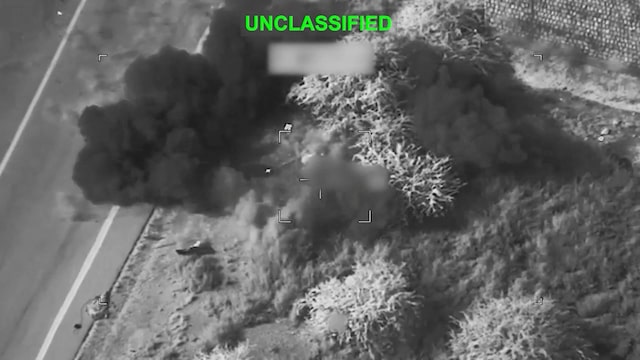
“U.S. forces, including fighter jets, aerial drones, and warships, launched precision munitions that hit dozens of Iranian military targets such as coastal surveillance and air defense sites, military logistics infrastructure, and maritime capabilities,” the U.S. Central Command said in a statement.
-
On Thursday evening, U.S. projectiles struck Qeshm Island and near Bandar Abbas — home to Iran’s largest port and key navy and Revolutionary Guards facilities — both on the Strait of Hormuz.
-
Iranian news outlets also reported U.S. strikes late on Thursday on three bridges and the train station in coastal Bandar Khamir and a U.S. missile attack on Iranshahr Airport in southeastern Iran. Reuters could not immediately verify the reports.
-
Tehran launched missiles and drones targeted at U.S. military bases in neighbouring states including a recently expanded air base in Jordan that Iran said was used in a U.S. attack on an Iranian children’s cancer hospital on Wednesday night.
-
Trump this week reiterated threats to hit Iranian energy targets while also threatening to target bridges next week.
-
The 1949 Geneva Conventions on humanitarian conduct in war prohibit attacks on sites considered essential for civilians.
-
After Trump’s past threats to strike such targets, international law experts in the U.S. said earlier this year such attacks may amount to war crimes.
-
Trump received widespread condemnation in April when he threatened to destroy Iran’s entire civilization before reaching a ceasefire with Tehran.
-
The Iran war began when the U.S. and Israel attacked Iran on February 28 and Iran responded with its own strikes on Israel and Gulf states that host U.S. bases.
-
U.S.-Israeli strikes on Iran and Israeli attacks on Lebanon during the war have killed thousands and displaced millions.
-
The war has also sent oil prices higher and shaken markets around the world.
Reporting by Kanishka Singh in Washington; Editing by Muralikumar Anantharaman.